
Bengal at the Crossroads: Identity, Incumbency and the Battle for a Fourth Term
As voting concludes across four states, the attention of the political class has narrowed to a single theatre. The verdict will be declared on 4 May, but the real contest of narratives has already reached its peak. Tamil Nadu, Kerala, Assam and West Bengal have all voted, each shaped by distinct linguistic and cultural identities. Yet, it is West Bengal that stands at the centre of national political scrutiny.
Unlike the Hindi heartland, these states carry strong linguistic traditions. Tamil Nadu has long asserted its classical Tamil heritage, often in visible resistance to Hindi. West Bengal, Kerala and Assam, each with recognised regional languages, reflect a federal India where identity remains a decisive political force.
The principle, however, remains unchanged. Governments are formed by mandate, not by narrative. The period between polling and counting is traditionally one of speculation, historical comparisons and cautious projections. This time, those exercises find their most intense expression in Bengal.
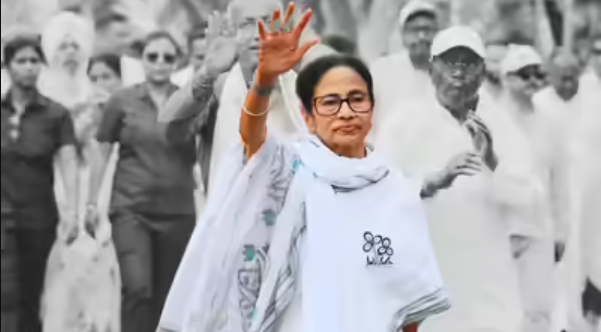
For over fifteen years, Mamata Banerjee and her party, All India Trinamool Congress, have dominated the state’s political landscape. From a modest 30 seats in 2006 to a commanding 215 in the last Assembly election, the party’s rise has been steady and decisive. It dismantled the long-standing Left regime and replaced it with a politics rooted in regional pride and welfare outreach.
This election, however, presents a sharper contest. The Bharatiya Janata Party, already in power at the Centre and several states, has mounted its most serious challenge yet in Bengal. Contesting all 294 seats, the party has invested heavily in organisation, messaging and leadership projection. Its strategy reflects a careful balancing act: national leadership provides momentum, but the campaign foregrounds Bengali faces to counter the charge of being an external force.
Two competing narratives have shaped the campaign. The ruling party has relied on the familiar appeal of “Maa, Maati, Manush”, invoking language, culture and regional identity. The opposition has sought to convert anti-incumbency into electoral gain, raising questions of governance, corruption and law and order. It has also foregrounded concerns around illegal immigration from Bangladesh, linking it to national security.
The arithmetic, however, remains unforgiving. The BJP currently holds 77 seats and requires 148 to form a government. Bridging that gap demands not just momentum, but a decisive shift in voter behaviour across constituencies where past victory margins were narrow. Reports of voter list revisions, including deletions, add another layer of complexity, particularly in closely contested seats.
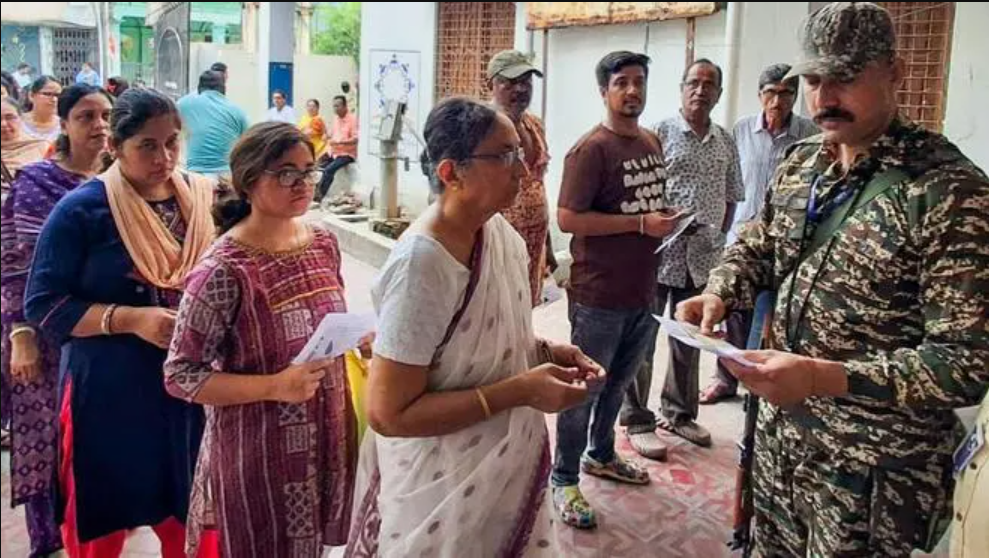
One decisive factor may lie beyond conventional calculations. Women voters have participated in large numbers, in some cases outnumbering men. Across recent elections in India, parties that have convincingly addressed women’s welfare have often gained an edge. Whether this trend benefits the incumbent, led by a woman chief minister, or turns against her due to competing political claims, will only be clear on counting day.
West Bengal’s electoral history offers a pattern, though not a guarantee. The Congress dominated the early decades after Independence. The Left Front governed uninterrupted from 1977 to 2011. The Trinamool Congress has held power since then. Voters in the state have shown a tendency to back a regime decisively, often for extended periods.
If that pattern holds, Mamata Banerjee could return for a fourth consecutive term, an unprecedented feat in the state’s political history. If it breaks, Bengal may witness its first government led by the BJP.
Nearly 64.4 million voters were eligible to decide this outcome, with over 59 million reportedly casting their votes. Such participation reflects a democratic impulse that remains robust and deeply rooted.
For now, the verdict rests sealed in electronic machines. Between today and 4 May, speculation will continue to dominate public discourse. Yet, when the results are declared, only one statement will matter, spoken by the victor and the vanquished alike: the mandate stands accepted.
