
Defection by Numbers Cannot Masquerade as Merger Under the Constitution
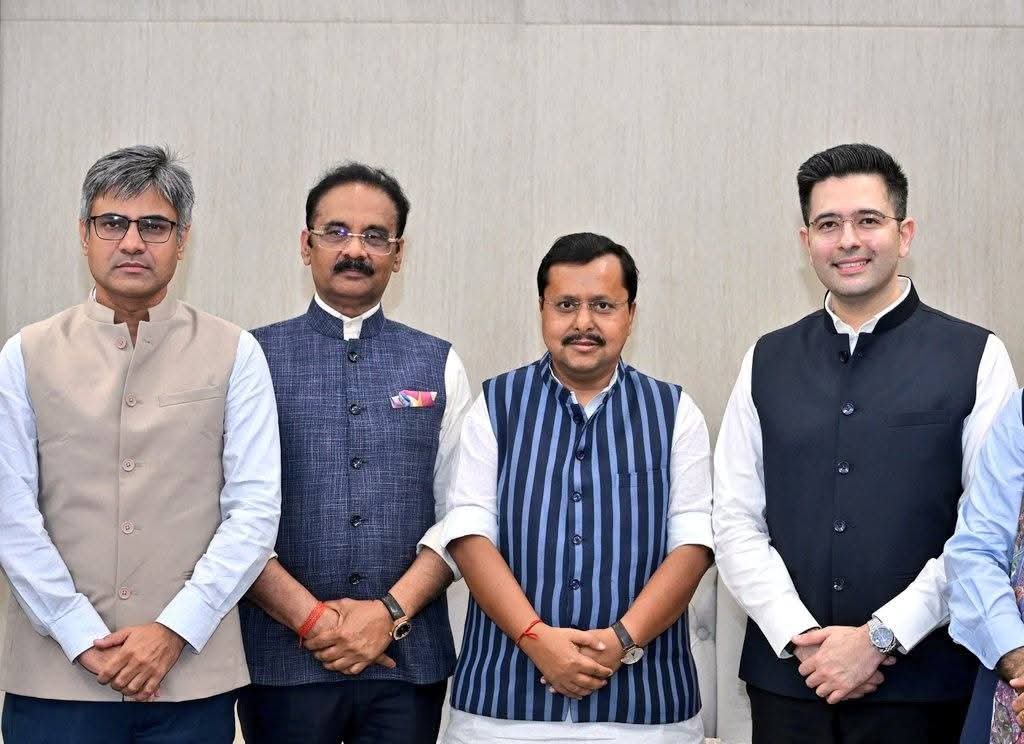
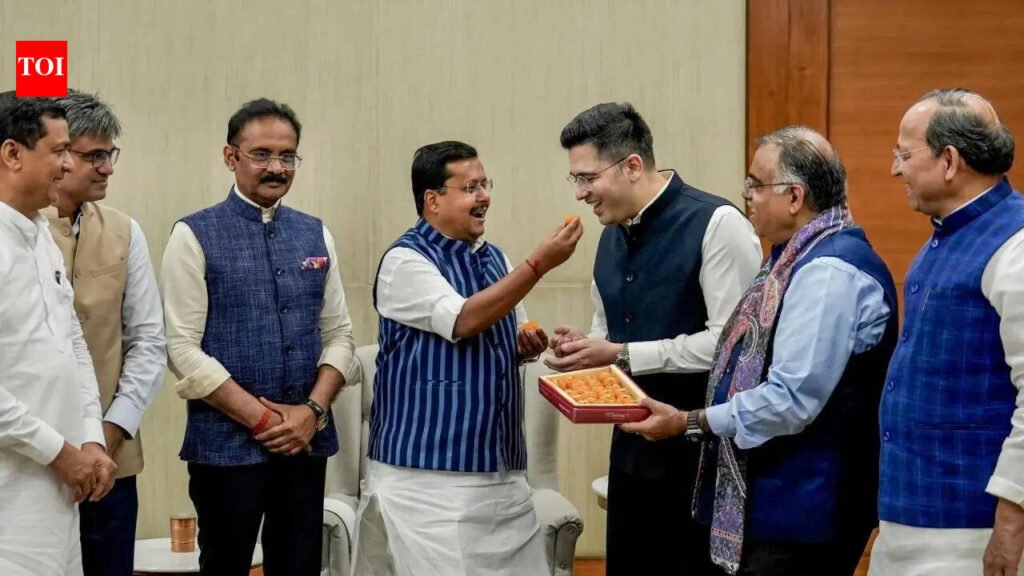
The recent development involving two-thirds of the Aam Aadmi Party members in the Rajya Sabha declaring allegiance to the Bharatiya Janata Party raises a question that goes to the heart of India’s anti-defection framework. The issue is not one of political arithmetic but of constitutional discipline.Paragraph 4 of the Tenth Schedule provides a narrowly tailored exception to disqualification on the ground of defection, in cases of “merger”. However, the constitutional design, especially after the deletion of the provision permitting “split”, makes it clear that merger is not a device for legislative convenience. It requires the merger of the original political party itself. A mere shift in allegiance by a legislature-party faction, even if numerically significant, does not by itself satisfy Paragraph 4 unless the original political party has merged within the meaning of the Tenth Schedule.This distinction has been firmly settled by the Constitution Bench in Subhash Desai v. Principal Secretary, Governor of Maharashtra. The Court clarified that the legislature party and the political party are separate entities. A numerical majority within the legislature party cannot claim to embody the will of the political party, nor can it effect a merger on its behalf. In the present context, there is no material to suggest that the organisational structure of the Aam Aadmi Party has merged with the Bharatiya Janata Party.

Absent such evidence, the protection under Paragraph 4 is unavailable.The legal position admits of little ambiguity. As the Court has clearly laid down, the defence of merger applies only when the original political party merges with another political party. It cannot be invoked in situations that amount to, in substance, a split within the legislature party. A claim of merger founded solely on numerical strength is, therefore, constitutionally untenable.Once this defence falls, the conduct of the concerned members must be examined under Paragraph 2(1)(a) of the Tenth Schedule. The jurisprudence on this provision is well settled. In Ravi S. Naik v. Union of India and later in Rajendra Singh Rana v. Swami Prasad Maurya, the Supreme Court held that “voluntarily giving up membership” is not confined to formal resignation. Conduct that indicates an intention to abandon party affiliation is sufficient. Joining another political party is the clearest expression of such intent.Once conduct amounting to defection is shown, disqualification attaches in law; however, the Speaker or Chairman must still adjudicate the matter under Paragraph 6. The role of the Chairman under Paragraph 6 is adjudicatory, but it is essentially a formal recognition of a disqualification that has already taken effect. This brings into focus the question of timing.
The effectiveness of the Tenth Schedule depends not only on correct interpretation but also on prompt enforcement. In Keisham Meghachandra Singh v. Speaker, Manipur Legislative Assembly, the Supreme Court held that disqualification petitions should ordinarily be decided within three months, barring exceptional circumstances. This principle was reiterated and strengthened in Subhash Desai v. Principal Secretary, Governor of Maharashtra, where the Court warned that delays defeat the very purpose of the anti-defection law.In the present case, this timeline assumes particular significance. The Vice President, acting as Chairman of the Rajya Sabha, is expected to decide disqualification petitions expeditiously, ordinarily within three months absent exceptional circumstances.The Courts have also made it clear that in cases of inaction, judicial intervention remains available. The precedent in Rajendra Singh Rana v.
Swami Prasad Maurya demonstrates that the Supreme Court can step in to direct disqualification where constitutional authorities fail to act in a timely manner.At stake is more than the fate of a few members. The anti-defection law was designed to preserve the integrity of the electoral mandate and to prevent opportunistic realignments that distort representative democracy. Allowing the merger exception to be reduced to a question of headcount within a legislature party would undo that design.The Constitution does not permit such dilution. Where there is no merger of the political party, there is no shelter under Paragraph 4. What remains is a clear case of defection, carrying with it the inevitable consequence of disqualification. The law, as it stands, leaves little room for any other conclusion.
